
Enhancing Well-Being with Gentle Yoga Techniques
- Sweet Moon Wellness Mandisa Fabris
- 2 days ago
- 4 min read

Navigating the changes that come with midlife can feel overwhelming at times. Hormone shifts, sleep challenges, stress, and fatigue often become part of your daily experience. Finding natural, nurturing ways to support your body and mind is essential. One such approach that blends movement, breath, and mindfulness is gentle yoga. This practice offers a calm, accessible path to enhance your well-being, especially when combined with herbal wellness, nutrition, and nervous system support.
Embracing Gentle Yoga Techniques for Midlife Wellness
Gentle yoga techniques focus on slow, mindful movements that honor your body’s current needs. Unlike vigorous yoga styles, these techniques prioritize ease, breath awareness, and relaxation. This makes them ideal for women 35+ who may be experiencing perimenopause, menopause, or simply want to support healthy aging.
Some key benefits of gentle yoga techniques include:
Improved flexibility and joint mobility without strain
Reduced muscle tension and pain through gentle stretching
Enhanced breath control to calm the nervous system
Better sleep quality by promoting relaxation before bedtime
Increased body awareness to support mindful self-care
To get started, you might try simple poses like Child’s Pose, Cat-Cow, or Legs-Up-The-Wall. These poses encourage gentle stretching and help release tension in the back, hips, and legs. Pairing these movements with slow, deep breathing activates your parasympathetic nervous system, which supports rest and digestion.
Nourishing Your Body and Mind Alongside Gentle Yoga
Supporting your well-being during midlife involves more than movement alone. Nutrition and herbal wellness play a vital role in balancing hormones, boosting energy, and calming stress. Consider incorporating nutrient-rich foods and herbs that complement your yoga practice and nervous system support.
Here are some practical tips:
Eat whole, colorful foods rich in antioxidants, fiber, and healthy fats. Think leafy greens, berries, nuts, and seeds.
Include adaptogenic herbs like ashwagandha or holy basil, which may help your body manage stress naturally.
Stay hydrated with herbal teas such as chamomile or lemon balm, known for their calming effects.
Prioritize protein and healthy fats to support hormone production and stable energy levels.
Limit caffeine and sugar to reduce nervous system overstimulation and mood swings.
Combining these nutritional strategies with gentle yoga techniques creates a holistic approach to midlife wellness. You’re not just moving your body—you’re nurturing it from the inside out.
Can Yoga Help Neuropathy?
Neuropathy, or nerve pain and numbness, can be a challenging condition to manage. While gentle yoga is not a cure, it can be a supportive tool to ease symptoms and improve quality of life. The slow, mindful movements and breathwork involved in yoga help increase circulation and reduce muscle tightness, which may relieve some discomfort associated with neuropathy.
Specific yoga poses that focus on gentle stretching and strengthening of the legs and feet can be particularly beneficial. For example:
Seated forward bends to stretch the hamstrings and calves
Ankle circles and toe stretches to improve foot mobility
Supported standing poses to build leg strength and balance
Breathwork techniques, such as diaphragmatic breathing, also help calm the nervous system and reduce the perception of pain. Always listen to your body and avoid any poses that cause sharp or worsening pain. Consulting with a healthcare provider or a yoga therapist familiar with neuropathy can help tailor a safe practice for your needs.

Breathwork and Nervous System Support
Your breath is a powerful tool to regulate your nervous system and manage stress. Gentle yoga techniques often incorporate breathwork practices that encourage slow, deep breathing. This activates the parasympathetic nervous system, which promotes relaxation and recovery.
Try this simple breath exercise to start:
Sit comfortably with your spine straight.
Inhale slowly through your nose for a count of four.
Pause briefly at the top of your breath.
Exhale gently through your nose for a count of six.
Repeat for 5-10 minutes, focusing on the rhythm of your breath.
This practice can be done anytime you feel overwhelmed or before bedtime to support restful sleep. Over time, regular breathwork can help reduce anxiety, improve mood, and enhance your overall resilience.
Creating a Sustainable Self-Care Routine
Integrating gentle yoga techniques into your daily life doesn’t require hours of practice or special equipment. The key is consistency and kindness toward yourself. Here are some realistic strategies to build a sustainable self-care routine:
Set aside 10-15 minutes daily for gentle movement and breathwork.
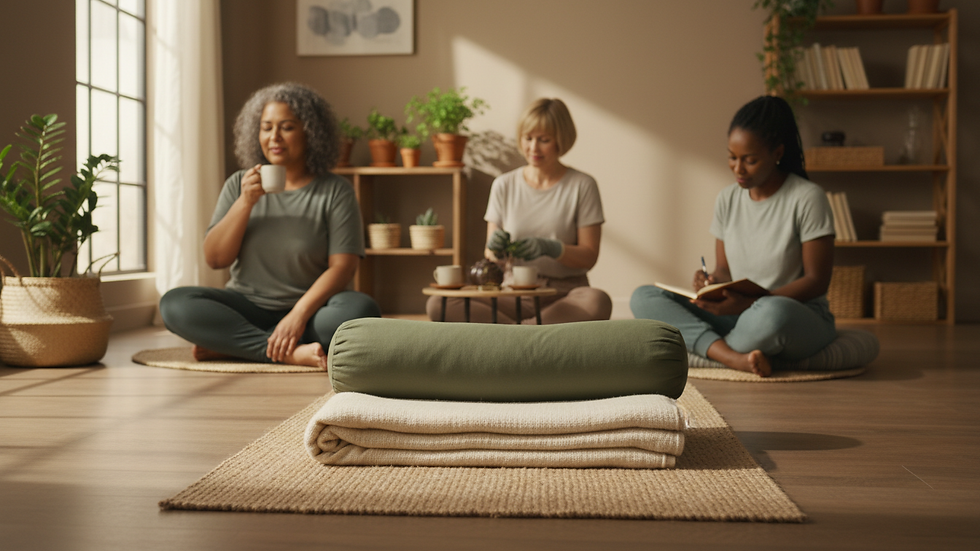
Create a calming space at home with a yoga mat, cushions, and soft lighting.
Use guided videos or apps designed for gentle yoga to stay motivated.
Combine your practice with herbal tea rituals to deepen relaxation.
Journal your experiences to track how your body and mind respond over time.
Remember, the goal is progress, not perfection. Even small moments of mindful movement and breath can make a meaningful difference in your well-being.
If you’re interested in exploring more, you can find a variety of gentle yoga practices tailored to support your unique midlife journey.
By embracing gentle yoga techniques alongside nourishing nutrition, herbal wellness, and breathwork, you create a balanced approach to support your body and mind. This holistic path helps you navigate life’s transitions with greater ease, resilience, and grace. Your well-being is worth this gentle, loving attention every day.


Comments